electro-funk
Explore artists, collectives, and events in electro-funk.

The African Electronic Music Conference is a year-round platform connecting artists, collectives, industry professionals, and music communities across Africa and the diaspora through events, knowledge-sharing, and opportunities.
© African Electronic Music Conference (AEMC)
Browse genres, playlists, releases, artists, and collectives across African electronic music.
24 results
Explore artists, collectives, and events in electro-funk.
Explore artists, collectives, and events in Electronic.

Singeli is one of the most powerful musical movements to have emerged in East Africa in recent years. Born over ten years ago in Dar es Salaam, a sprawling capital city at the crossroads of Arab, Indian, and African histories and traditions, singeli stands at the confluence of cultures and generations. Like South African zulu house or Brazilian baile funk, singeli was born out of the absorption and subsequent transformation—even deconstruction—of vernacular music using cheap computer equipment. Between the shores of South African kwaito and Tanzanian hip-hop, singeli borrows from taarab—the traditional Tanzanian music of Zanzibar—as well as the highly electronic mchiriku and the ritual dance mdundiko. Speed it up, add some glitch effects, throw in an ultra-epic flow in Swahili, and you've got singeli. The genre first took hold in block parties in working-class neighborhoods on the outskirts of Dar Es Salaam, and in kigodoro, marathon parties named after the foam mattresses on which dancers collapsed from exhaustion. At weddings, too, singeli and its deluge of beats and machine-gun delivery have replaced traditional orchestras
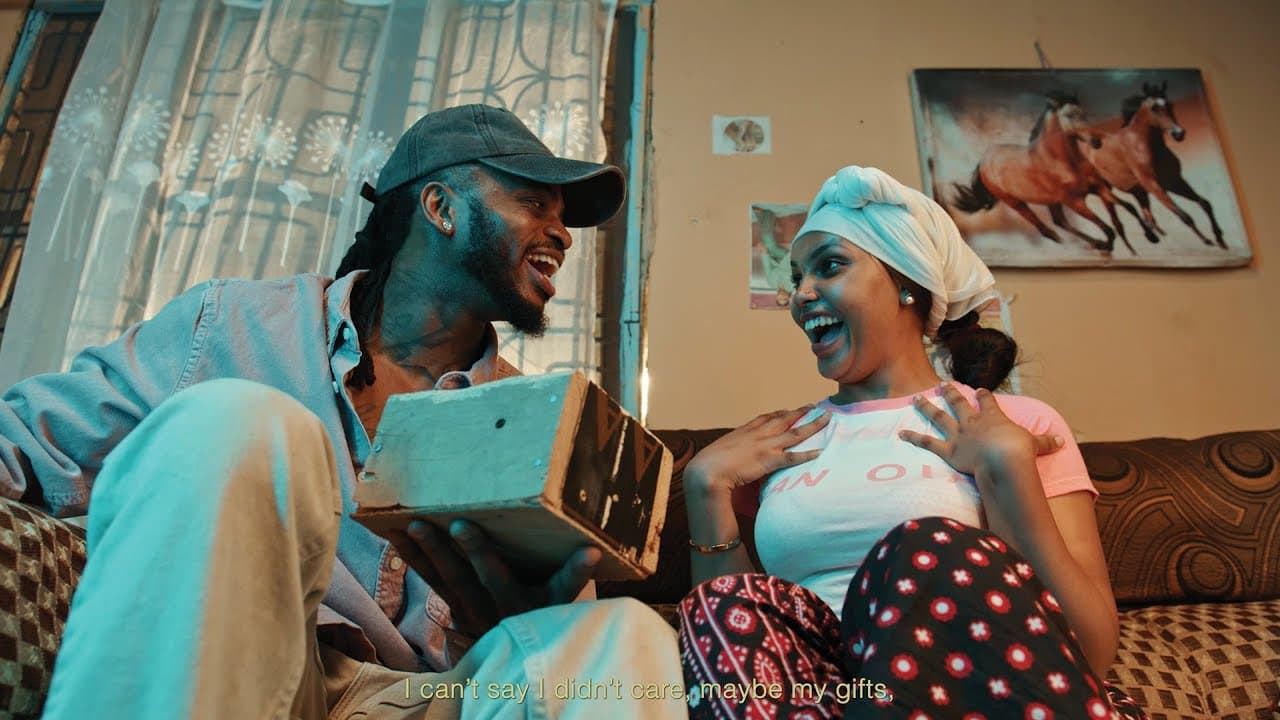
Singeli is one of the most powerful musical movements to have emerged in East Africa in recent years. Born over ten years ago in Dar es Salaam, a sprawling capital city at the crossroads of Arab, Indian, and African histories and traditions, singeli stands at the confluence of cultures and generations. Like South African zulu house or Brazilian baile funk, singeli was born out of the absorption and subsequent transformation—even deconstruction—of vernacular music using cheap computer equipment. Between the shores of South African kwaito and Tanzanian hip-hop, singeli borrows from taarab—the traditional Tanzanian music of Zanzibar—as well as the highly electronic mchiriku and the ritual dance mdundiko. Speed it up, add some glitch effects, throw in an ultra-epic flow in Swahili, and you've got singeli. The genre first took hold in block parties in working-class neighborhoods on the outskirts of Dar Es Salaam, and in kigodoro, marathon parties named after the foam mattresses on which dancers collapsed from exhaustion. At weddings, too, singeli and its deluge of beats and machine-gun delivery have replaced traditional orchestras
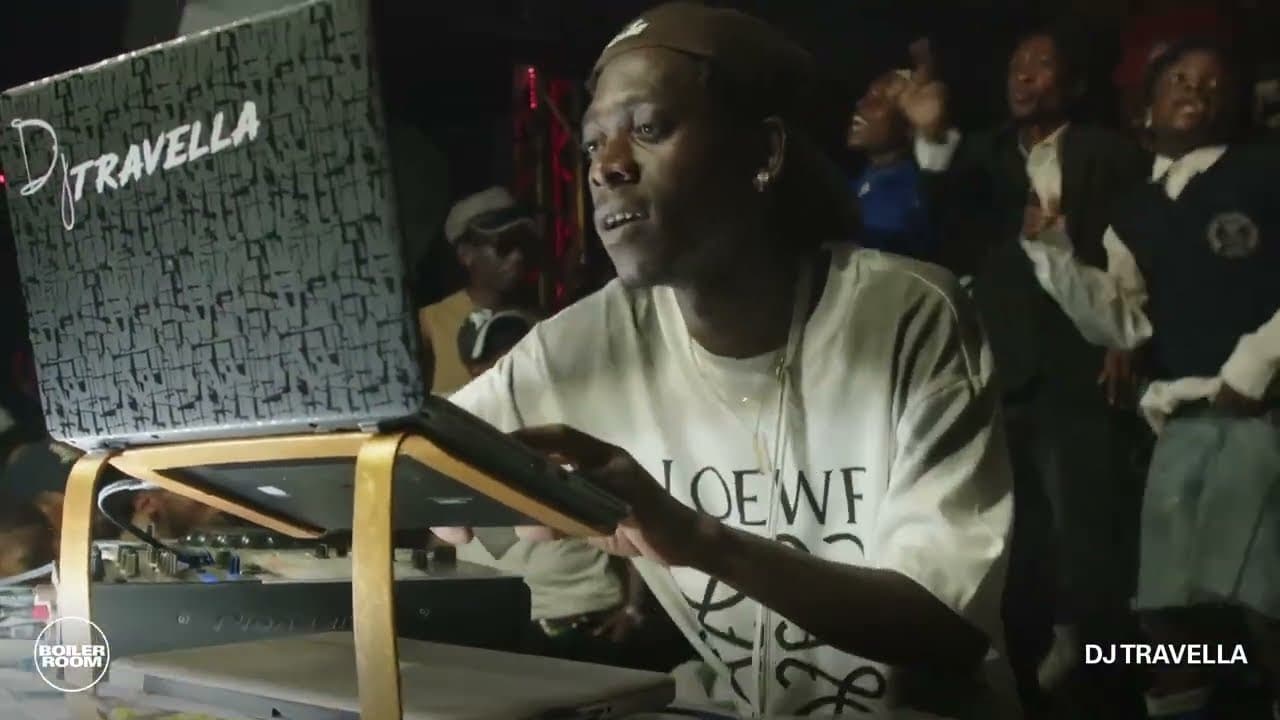
Singeli is one of the most powerful musical movements to have emerged in East Africa in recent years. Born over ten years ago in Dar es Salaam, a sprawling capital city at the crossroads of Arab, Indian, and African histories and traditions, singeli stands at the confluence of cultures and generations. Like South African zulu house or Brazilian baile funk, singeli was born out of the absorption and subsequent transformation—even deconstruction—of vernacular music using cheap computer equipment. Between the shores of South African kwaito and Tanzanian hip-hop, singeli borrows from taarab—the traditional Tanzanian music of Zanzibar—as well as the highly electronic mchiriku and the ritual dance mdundiko. Speed it up, add some glitch effects, throw in an ultra-epic flow in Swahili, and you've got singeli. The genre first took hold in block parties in working-class neighborhoods on the outskirts of Dar Es Salaam, and in kigodoro, marathon parties named after the foam mattresses on which dancers collapsed from exhaustion. At weddings, too, singeli and its deluge of beats and machine-gun delivery have replaced traditional orchestras
Singeli is one of the most powerful musical movements to have emerged in East Africa in recent years. Born over ten years ago in Dar es Salaam, a sprawling capital city at the crossroads of Arab, Indian, and African histories and traditions, singeli stands at the confluence of cultures and generations. Like South African zulu house or Brazilian baile funk, singeli was born out of the absorption and subsequent transformation—even deconstruction—of vernacular music using cheap computer equipment. Between the shores of South African kwaito and Tanzanian hip-hop, singeli borrows from taarab—the traditional Tanzanian music of Zanzibar—as well as the highly electronic mchiriku and the ritual dance mdundiko. Speed it up, add some glitch effects, throw in an ultra-epic flow in Swahili, and you've got singeli. The genre first took hold in block parties in working-class neighborhoods on the outskirts of Dar Es Salaam, and in kigodoro, marathon parties named after the foam mattresses on which dancers collapsed from exhaustion. At weddings, too, singeli and its deluge of beats and machine-gun delivery have replaced traditional orchestras
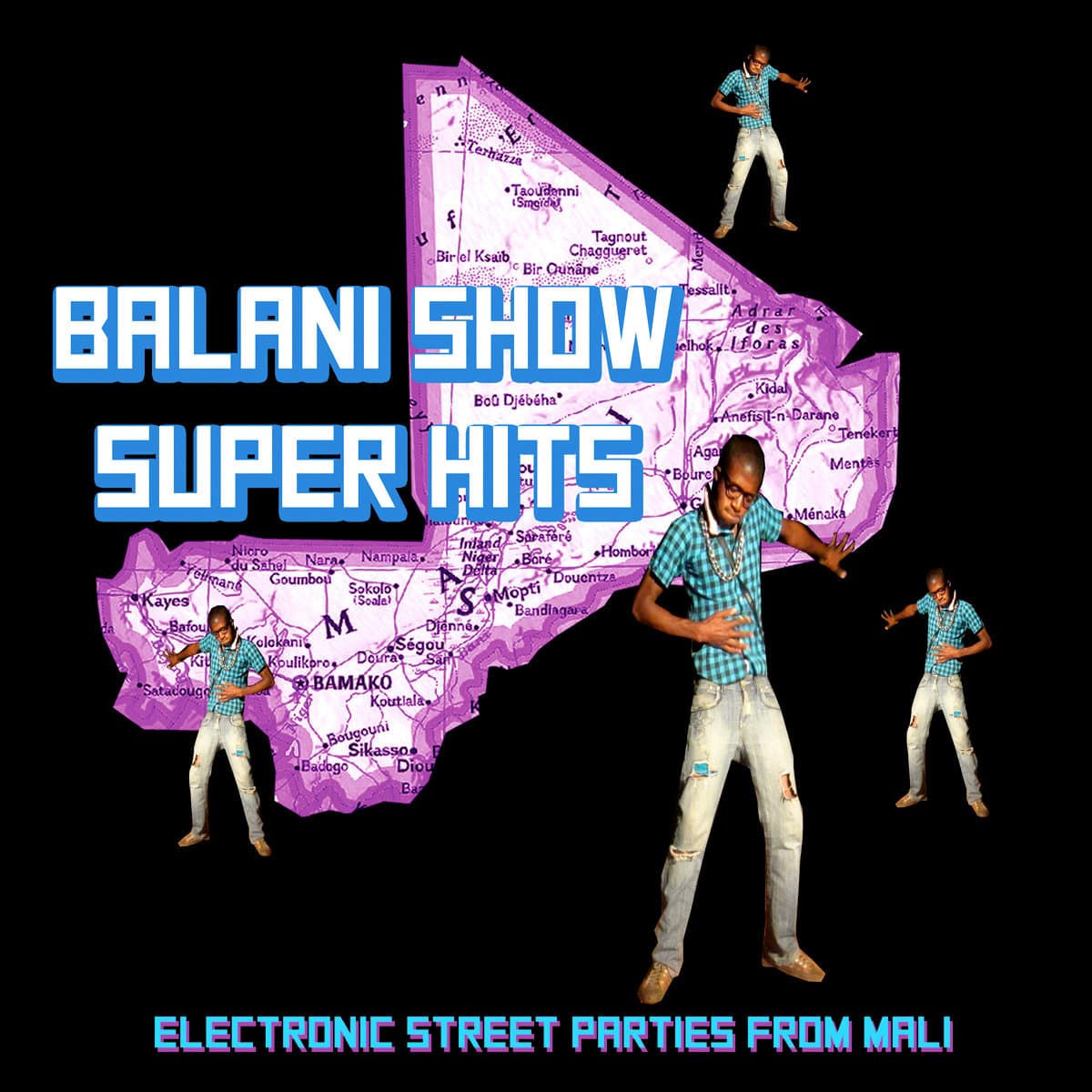
Balani Show began in the late 90s, as DJs with sound systems began to animate social ceremonies. The reason was economic – DJs were cheaper then a Balafon group. While this probably occurred simultaneously throughout Mali, the DJ credited as the originator is Seydou Bagayoko. DJ Diaki and DJ Sandji became his apprentices in the late 90s and early 2000s. Balani Show thrived in the mid-2000s with DJ Senateur performing an official version on Malian television. But in recent years, it has returned to its street culture roots, played in neighborhoods in informal block parties. There is the occasional moral panic, raised by religious leaders, at the site of young people dancing provocatively at night. Occasionally a move will be made to ban Balani Shows, but the legality of the bans are dubious. What the religious opposition has succeeded is in contributing to a general decline of Balani Shows in the capital. DJ Diaki now lives 20km from the Bamako, where Balani Shows are now more common. The village Balani Shows have a completely different element from Bamako – with rapid fire tempos and tranced out loops that extend into mind melting repetition. “It’s much faster in the countryside,” he says. “The people in the village want the music fast. If someone goes to my parties, it’s impossible they dance the whole time.” His video channel illustrates this point. While it may have been the city where Balani Show was born, its back in rural Mali where it has taken on a new form, and where the highest tempo Balani Shows are thriving.
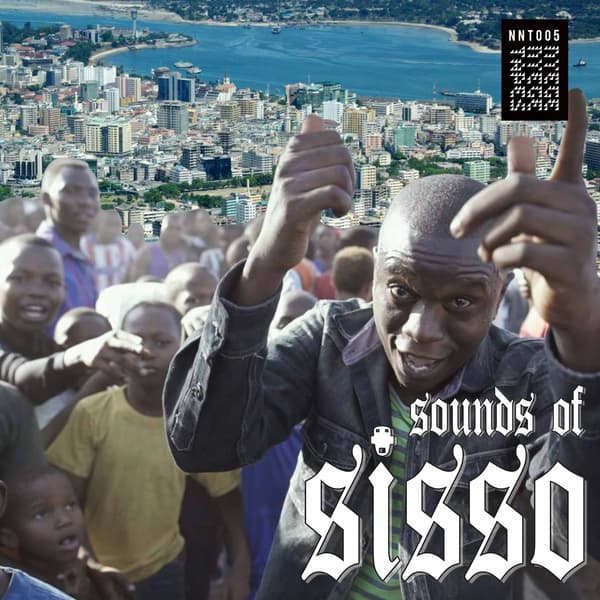
Singeli is one of the most powerful musical movements to have emerged in East Africa in recent years. Born over ten years ago in Dar es Salaam, a sprawling capital city at the crossroads of Arab, Indian, and African histories and traditions, singeli stands at the confluence of cultures and generations. Like South African zulu house or Brazilian baile funk, singeli was born out of the absorption and subsequent transformation—even deconstruction—of vernacular music using cheap computer equipment. Between the shores of South African kwaito and Tanzanian hip-hop, singeli borrows from taarab—the traditional Tanzanian music of Zanzibar—as well as the highly electronic mchiriku and the ritual dance mdundiko. Speed it up, add some glitch effects, throw in an ultra-epic flow in Swahili, and you've got singeli. The genre first took hold in block parties in working-class neighborhoods on the outskirts of Dar Es Salaam, and in kigodoro, marathon parties named after the foam mattresses on which dancers collapsed from exhaustion. At weddings, too, singeli and its deluge of beats and machine-gun delivery have replaced traditional orchestras
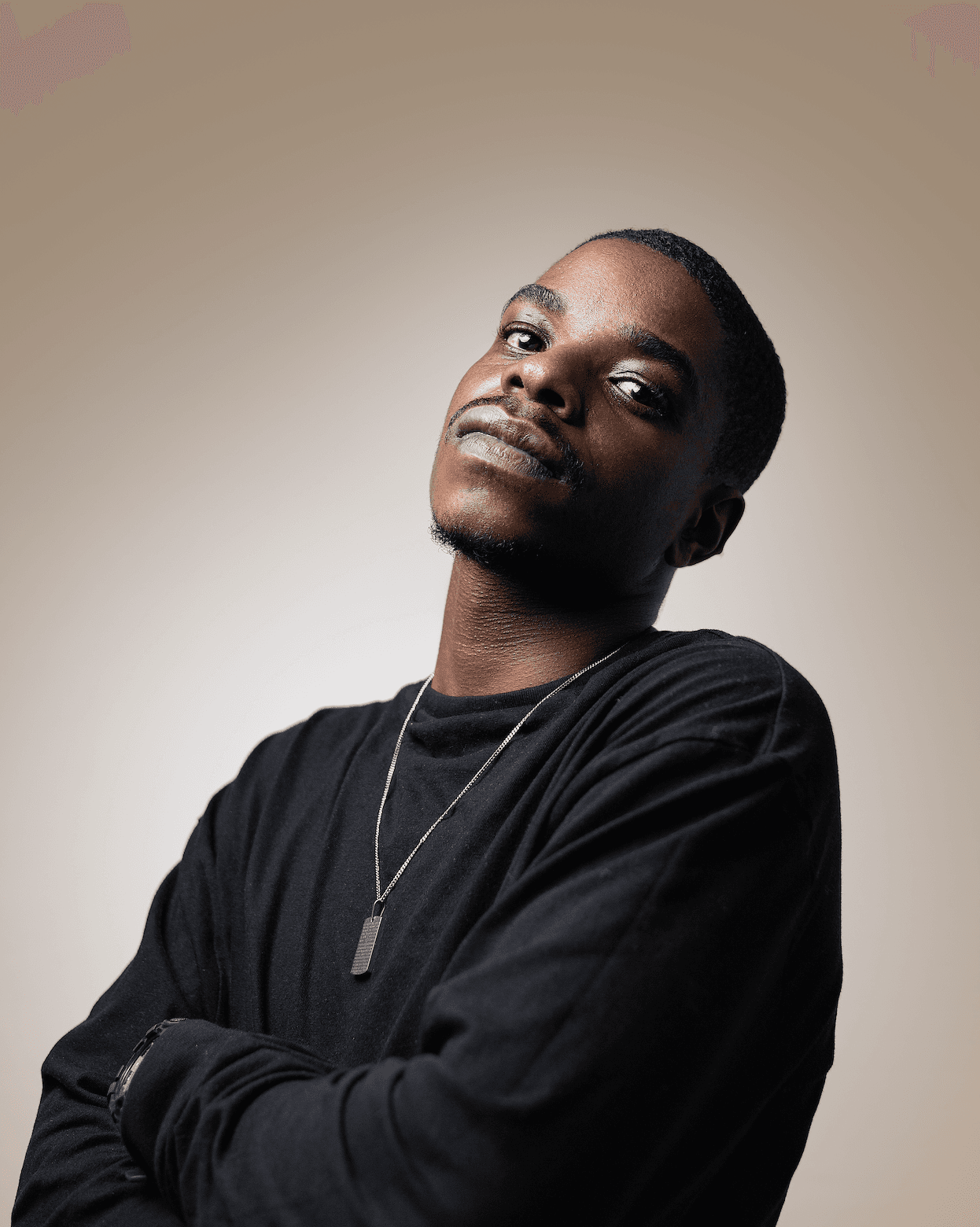
Akiid Musiq, also known as Robot Boi, is a pioneering figure in South Africa’s underground electronic movement, rooted in Gqom but constantly pushing its boundaries with futuristic, high-energy sounds. Known for his raw dancefloor presence and unique sonic identity, Akiid has built a reputation for blending deep township rhythms with global club culture. Recently performing abroad, his sound has been crossing borders and turning heads internationally — and now he returns to the local scene, ready to ignite the festive season with an edge shaped by those global stages. Whether in intimate club spaces or on festival main stages, Robot Boi brings a futuristic intensity that locks crowds into his journey from the first drop to the closing beat.

Members : Constantly expanding, AFRO-LAB’s lineup consists of artists, trainers, educators, and community leaders. Genres : African heritage and rhythms, enriched with worldwide influences and modern electronic fusion. A project incubator and community center located five minutes from downtown Gulu, Elephante Commons is home to AFRO-LAB, a creative center and studio. “Our work extends beyond the studio and reaches out to the community with awareness and learning programs, particularly aimed at young audiences,” explains the incubator team. Formed as a local art collective, AFRO-LAB collaborates with young artists from northern Uganda: “The idea here is to use creativity as a lever for healing and empowerment. We believe in the power of music as a tool for resilience.” Positioned as an autonomous “African art laboratory,” this healing space brings together traditional culture, young creativity, and experimentation. It is no coincidence that for two years in a row, the venue has hosted the Nyege Warm-up in Gulu, an eagerly awaited annual pre-party organized entirely by the lab’s young students.

Members : Authentically Plastic, Turkana, Nsasi In Kampala, Uganda’s capital, it’s impossible to talk about parties without immediately thinking of Nyege Nyege, the lively festival and label founded a decade ago. The success of this highly unstable electronic nebula has given rise to creative individuals and other highly unique artistic teams. Inspired and motivated to define its own musical and ethical visions, the ANTI-MASS collective is the foremost among them. Founded in 2018, the team—composed of Nsasi, Authentically Plastic, Turkana, and others—began by shaking up the Ugandan nightlife scene with a series of techno-themed, traveling parties for the local queer community: “We are defined by a subversive approach to partying, because we identify with queer culture and are committed to creating safe spaces for our community.” Their LGBTQIA+ activism is largely fueled by the experimental scene that supports ANTI-MASS—from DJ Kampire to Hibotep to Catu Diosis—as well as carefully curated selections of particularly cerebral gqom, pulsating techno, and East African trap.

Members : Yas Meen Selectress, MARTINA, Rajia, Maria Saba Genres : Bass music inclusive and open-minded An all-female project born out of the vibrant Cairo underground scene, Dhamma promotes a highly avant-garde club culture: “Our aesthetic oscillates between drum, UK garage, and Jersey,” say the members of the collective. “Our initiative is community-based and led by women, in a city where inclusive cultural venues are very rare.” The motto for the girls of Dhamma? “Amplify marginalized voices!” Rozzma, El Kontessa, Liliane Chlela, Hassan Abou Alam… Since its creation in April 2024, the team has managed to seamlessly link the turbulent local scene with demanding international acts. Deep in the sweaty clubs of Cairo, Dhamma imagines cross-border, open-minded nights dedicated to underrepresented artists. The collective has several areas of development: Club N’ Bass evenings—a collection of events dedicated to bass music; Les Bath Tagreeby, hybrid evenings where “live performances collide in a raw and open format”; and a third component to come, dedicated to training, with practical DJing and production workshops.

Members : Mask On, Seny D, Sidjey Genres : Rap Ivoire, Afro House, Bouyon, House, UK Bass, Amapiano, African golden era music (70s – 90s) From the old fathers of coupé-décalé to young biamasseurs, rap ivoire parties, maquis bars, and zouglou clubs… Abidjan’s nightlife continues to produce new boucantiers. The latest addition, Djaouli Entertainment, or Djaouli.Ent, has been rocking the city since spring 2022. “Djaouli,” from the Nouchi word for “a turbulent, excited, and energetic person,” oscillates between electronic escapades and African urban cultures: “We see our parties as artistic, social, and community events.” The goal? “To break down barriers between genres, mix audiences of Ivorians, expats, Lebanese, and Asians, break down social divisions, and promote young musical creativity.” United around hip-hop, Afro-dance, house, bouyon, and UK bass aesthetics, the collective has organized more than thirty free, daring parties rooted in African music, with one flagship event: the “Bôrô de Djaouli” parties. The music? “A field of exploration between genres, generations, and geographies!” Starting next year, Djaouli Ent. will launch into production with the release of a first EP of remixes, as well as releases with like-minded organizations, rumored to include Moonshine and Blanc Manioc. Stay tuned!

Members : Francesco Mbele, Ayema Qampi, Lenzo Mangonyane, Jakinda Boya, Lesedi Malete, Nokukhanya Gama Genres: Gqom, TechHouse, experimental electronic Joburg’s Ebumnandini was founded in 2018 in response to declining support for the local scene. As various venues and festivals closed down, the collective decided to revitalize Johannesburg’s underground offering with a bold and sophisticated lineup. Just two years after its creation, the team collaborated with Boiler Room. While Spotify Africa placed its trust in them in 2023, Ebumnandini set up shop last year at the heart of the lively Yardland festival in France. In 2025, the collective was in charge of programming Kaytranada’s After Party in Johannesburg. “Our sound fuses house, hip-hop, amapiano, techno, and gqom,” explain the members of Ebumnandini. “The idea is to constantly push the boundaries. At the heart of Ebumnandini is our community. A community of creatives, music lovers, and trendsetters representing all of South Africa. Beyond the dance floor, our events bring together people who value connection, self-expression, and cultural exploration.”

Members : Mathias Aklilu, Sam YF, Yohannes Meymun, Selamawit Genres : Pioneers of the house and techno scenes in Ethiopia Fabrika Records, an electronic music label and collective founded in 2021, is a truly pioneering platform in Addis Ababa: “We built an entire ecosystem from scratch,” explain its founders. “Our city has a rich and deeply rooted cultural heritage. But the infrastructure for electronic music is extremely limited, and there were only a handful of DJs here at the time.” “No suitable events, no mentoring, no collective identity. It was this lack that led us to create Fabrika. This challenge became our fuel,” say the members of Fabrika with a smile. In just a few years, the label has established a home for emerging DJs, producers, and all club culture activists here in Ethiopia. “The label structures the artists’ sound, our events provide them with stages, the community grows with them, and our advice and resources provide long-term support…” Masterfully led, it is an entire autonomous electronic biotope that is flourishing. Ultimately, Fabrika Records aims to put the Ethiopian electronic scene on the global bass music map with consistency and innovation. Recent collaborations with the interregional Gondwana festival in Kenya and the highly international Nyege festival are very promising signs!

In 1992, Enki Bilal invented chessboxing in his comic book Froid Équateur, a delightful alternation of boxing rounds and chess matches. South African audiophiles French For New are more into chessclubbing: when they’re not busy tearing up the Johannesburg nightlife scene—with more than seventy events under their belt—they organize chess tournaments. Founded nearly six years ago, the collective proclaims itself to be at the service of a “community of audiophiles, free-thinkers, creatives, and those who have decided to express themselves.” French For Now organizes parties under the banner of a beautiful fluidity of musical genres: “amapiano, house, gqom, and hip-hop, with a particular love for jazz,” say the members of the collective. “The success of our Soundset Sunday event has allowed us to develop other party concepts, such as the highly experimental and raw RARE or the Eclectic Sessions, dedicated to more immersive and sonic experiences.” And when the squares don’t light up under the feet of the girls and boys of Joburg, French For New moves the squares—black and white—of chessboards during well-deserved reflective sessions. Knowledge and dancefloor, a powerful and strategic combination.

Members : Aniko, Odunayo Eweniyi, Weareallchemicals, Yosa, Tomisin Akinwunmi Genres : Afro house, Mara, Cruise techno, disco In the African—and global—capital of Afrobeats, electronic music is thriving, and Group Therapy is at the forefront of this vibrant scene. Originally conceived as a bi-monthly rave, GT parties have completely reshaped the local nightlife scene: “From our very first event in August 2023, we wanted Group Therapy to be more than just a party,” recalls its founder, the astute strategist Aniko. “We wanted to make Group Therapy a platform for experimentation and musical expression, an inclusive, safe space for everyone, especially the queer community in Lagos.” The result? A year after its creation, the collective was already being celebrated by Face Magazine as one of the hottest collectives in the huge Nigerian city. “Our ultimate goal is to create a real pipeline that would allow Nigerian and West African talent to access international stages. We believe that the African electronic scene deserves to be highlighted and promoted internationally. And that’s what we’re building.” With more than 20 sold-out events to date, each attracting 3,500 to 4,000 enthusiasts, Group Therapy has expanded to Accra and London, while also winning over Boiler Room last year.
Founded in 2024 as a series of confidential, intimate raves, Ilé Ijó—literally, the “home of dance”—has become, in just two years, a platform that is reinventing a section of the electronic scene in Nigeria: “The Ilé Ijó experience really started small,” recalls Abiodun Oladokun, founder and artistic director of the collective. “Initially, we would bring together House fans every two months in Lagos. Soon, our desire to experiment took us into many other areas of electronic music.” After nearly a dozen events, the collective has become a reference point for Nigeria's junglettes and junglists, with the creation of the Drum N Bass NG community, a subsidiary entirely dedicated to the genre. On its first anniversary, Ilé Ijó also tried its hand at Tanzanian Singeli by inviting Jay Mitta, a well-known supporter of the Nyege Nyege collective. Focused on research and experimentation, the Lagos team is now building a real scene, capable of inviting other international movements for a night, while working closely with the local electronic culture through the prism of the Yoruba language, culture, and heritage. With a thousand enthusiasts gathering at each of its parties, Ilé Ijó is now one of the major players in Lagos' electronic nightlife.
Members : Dj Aziz, Big Sam, Pweza, Alyssa et Barak. Genres : Tech house, deep house, drum n bass, Afro-house and Afro-tech “Our goal? To build a safe and inclusive community where everyone can have fun and express themselves through music, without borders or discrimination!” A long-term program initiated two years ago by DJ Aziz, Big Sam, and Pweza, who, driven by their love of electronic music, set up the Midimu collective. The name was inherited from the Makonde people and means “masked dancers”: “This name honors the collective’s cultural heritage and symbolizes the transformative and community-building power of music.” The vibrant collective has organized numerous events in Tanzania and in 2023 launched the first edition of its festival, Midi Fest: “We had ten participants in 2023, compared to two hundred in 2024,” say the organizers. Here, the leitmotif is focused on a single goal: “to develop the Tanzanian music scene, promote and raise awareness of different electronic genres, in particular Afro-house and Afro-tech.” In a local scene that is still largely in its infancy, the Midimu collective is on a mission: “to engage the Tanzanian public in techno, house and beyond!”

Members : Pierre Kwenders, Hervé “Moonshine” Kalongo, Félix Brochier, Steven Michel, San Farafina, Vanyfox, DJ P2N, Negoo, Niabi Genres: Afro-futurism, bass-heavy and electro-funk “SMS for Location”: those who opened their messaging apps based on this promise know what to expect: a night that’s left of center and, above all, free. More than 150 events—including performances at Primavera, Eurocks, and Dour—and nearly 200 releases, including the acclaimed José Louis and the Paradox of Love by the lively Pierre Kwenders… In just over a decade, Moonshine has moved from its Canadian roots to the international stage, at the forefront of a highly sensory, instinctive, and demanding party scene: “Moonshine’s DNA was born from the parties we used to throw in our kitchens,” recalls Pierre Kwenders. “We couldn’t find that atmosphere at other parties. That’s one of the reasons Moonshine was born, with the aim of sharing that energy with those who, like us, were looking for that kind of sound and vibe.” For these musicians, DJs, dancers, and visual artists, the common thread running through Moonshine is its ability to bring together an audience driven by an inclusive ethic and a shared love of sonic and sensory experimentation. “From African and Afro-diasporic clubbing, we have evolved over the past decade into a multidisciplinary nightlife movement, capable of embracing video, fashion, and music in the same movement,” say the members of the collective in unison. Instinctive, raw, and designed for liberated dancefloors: after an intense period of creative exploration across East Africa, Moonshine unveiled the sixth installment of his now cult SMS for Location series in spring 2025, “an album that transcends musical and cultural boundaries.”
Members : Ambi, Ashrar, Azzouni, Balla3058, Belahadaf, Karim Serry, Postdrone, Timo 1_2 Genres : Drone, dub, jungle, hip-hop and experimental escapades It is always good, for the sake of all forms of Pan-Africanism—whether musical, cultural, or social—to remind Cairo of its African identity. Once again, Nyege Nyege has shown its keen instinct by inviting a second Egyptian collective to join this vast musical map. Founded in 2021, Moshtrq follows a clear artistic thread. And radical: “We focus on everything that is non-commercial, strange, and related, directly or indirectly, to bass music,” say the members of the young collective in unison. In a post-mahraganat capital that, since the past experiences of a team like Kairo is Koming or a club like VENT, has sometimes struggled to find a second wind in electronic music, Moshtrq has spent many nights—from 2021 to 2024— “under the banner of dub, leftfield bass, grime, jungle, ambient and underground hip-hop… All aesthetics generally presented in their experimental forms, for headliners such as Zuli, Nazar and Dj Haram.” And while the scenes are developing on the dancefloors, they are also taking shape and flourishing in music production: Moshtrq has also mutated into a label, which since last year has been releasing formidable EPs. Check out the latest release from Jomania, as well as “Bab Hwita,” the three tracks from Tunisian purist Drum’n Bass artist Hmenou.

Members : Producers, DJs, educators, mentors, sound engineers, technical specialists… Santuri functions as a platform, an open ecosystem focused on the community, rather than a closed collective. Genres : Education, electro, Hackerspace and Makers Lab “Our vision? To build a sustainable, interconnected, and globally recognized East African music ecosystem.” Founded in 2014 and based in Nairobi, Santuri is one of the most dynamic Hackerspace and Culture Makers platforms in East Africa. A true incubator, the project aims to strengthen the creative industries at the regional level by supporting artists through training, skill development, mentoring, and access to technology: “We believe in community-based forms of innovation, we believe in the power of music to transform spaces and narratives.” In February 2026, the Lab will organize the third edition of the Kilele Festival: “a melting pot of music, tech, innovation, and experimentation, organized around workshops, panels, conferences, and installations,” explains the team of Kenyan changemakers. In addition to its annual summit, Santuri hosts the Santuri Electronic Music Academy (SEMA), dedicated to teaching music production and DJing: “the sound aesthetics we champion oscillate between African electronic music, traditional heritage, and more hybrid experimental forms. The community, which covers East Africa and the diaspora across the continent, is the foundation of our work.”
Members : Abbas Alli Jazza, Sisso, Maiko, Jaymita, Dj Bamba Pana, Queen Asher, Dj Travella, Makaveli, Rehema Tajiri, Kadilida, Kzungu, Hemedi Kiduku, Nana et Zai Genres : Singeli and its multiple variations Singeli is one of the most powerful musical movements to have emerged in East Africa in recent years. Born over ten years ago in Dar es Salaam, a sprawling capital city at the crossroads of Arab, Indian, and African histories and traditions, singeli stands at the confluence of cultures and generations. Like South African zulu house or Brazilian baile funk, singeli was born out of the absorption and subsequent transformation—even deconstruction—of vernacular music using cheap computer equipment. Between the shores of South African kwaito and Tanzanian hip-hop, singeli borrows from taarab—the traditional Tanzanian music of Zanzibar—as well as the highly electronic mchiriku and the ritual dance mdundiko. Speed it up, add some glitch effects, throw in an ultra-epic flow in Swahili, and you’ve got singeli. The genre first took hold in block parties in working-class neighborhoods on the outskirts of Dar Es Salaam, and in kigodoro, marathon parties named after the foam mattresses on which dancers collapsed from exhaustion. At weddings, too, singeli and its deluge of beats and machine-gun delivery have replaced traditional orchestras The genre is largely represented in Tanzania—and now far beyond—by Singeli Movement: “Since the collective was founded in 2017, we have been flying the flag for Singeli,” explain the members of the group. “We give artists access to learning opportunities and collaborations with international musicians. This support has enabled the group to tour at major festivals, notably in Europe and America. Workshops, training sessions, and competitions have also allowed us to create a solid network of cooperation abroad. A true local talent scout, Singeli Movement sources emerging local artists, thereby contributing to “the development of the electronic scene in Tanzania.”
Members : Nana Danso, Frank (Muud Swingz) Osei, Emmanuel Kunfaa, Yaw Asante, Edwin Dzobo, Frank Annan, Nyahan Takyi Genres : Afro-house, afro-tech, asorkpor, gqom, kuduro or tribal-house. Ekiti Sound, Moneyama, ASAAS? Since its creation in 2017, The Weird Cult has played a pivotal role in Accra's nightlife: "By blending electronic music, visual storytelling, and performance, we have managed to introduce a whole new standard of immersive experiences to the city's parties," enthuse the members of the collective. At the heart of The Weird Cult is "pulsating electronic music, inspired and influenced by Black culture." Afro-house, afro-tech, asorkpor, gqom, kuduro, tribal-house? "Our sound is rooted in a mix of African electronic rhythms, blended with heavy bass and contemporary sounds from the global alternative clubbing scene." The collective expresses its identity through numerous concepts: "Black Sheep Rave," "No Request," and "All Black & Skin" parties, an experimental rave dedicated to B2B DJ sets? "The Weird Cult is a total artistic movement, a community that builds spaces where dreamers and outsiders come together to experiment, connect, and evolve." Ultimately, it is the entire Accra scene that is being revitalized: "We are nurturing a new creative wave here in Ghana. A raw, inclusive, and experimental creativity that contributes to the influence of the vast West African alternative ecosystem."