Balani Show
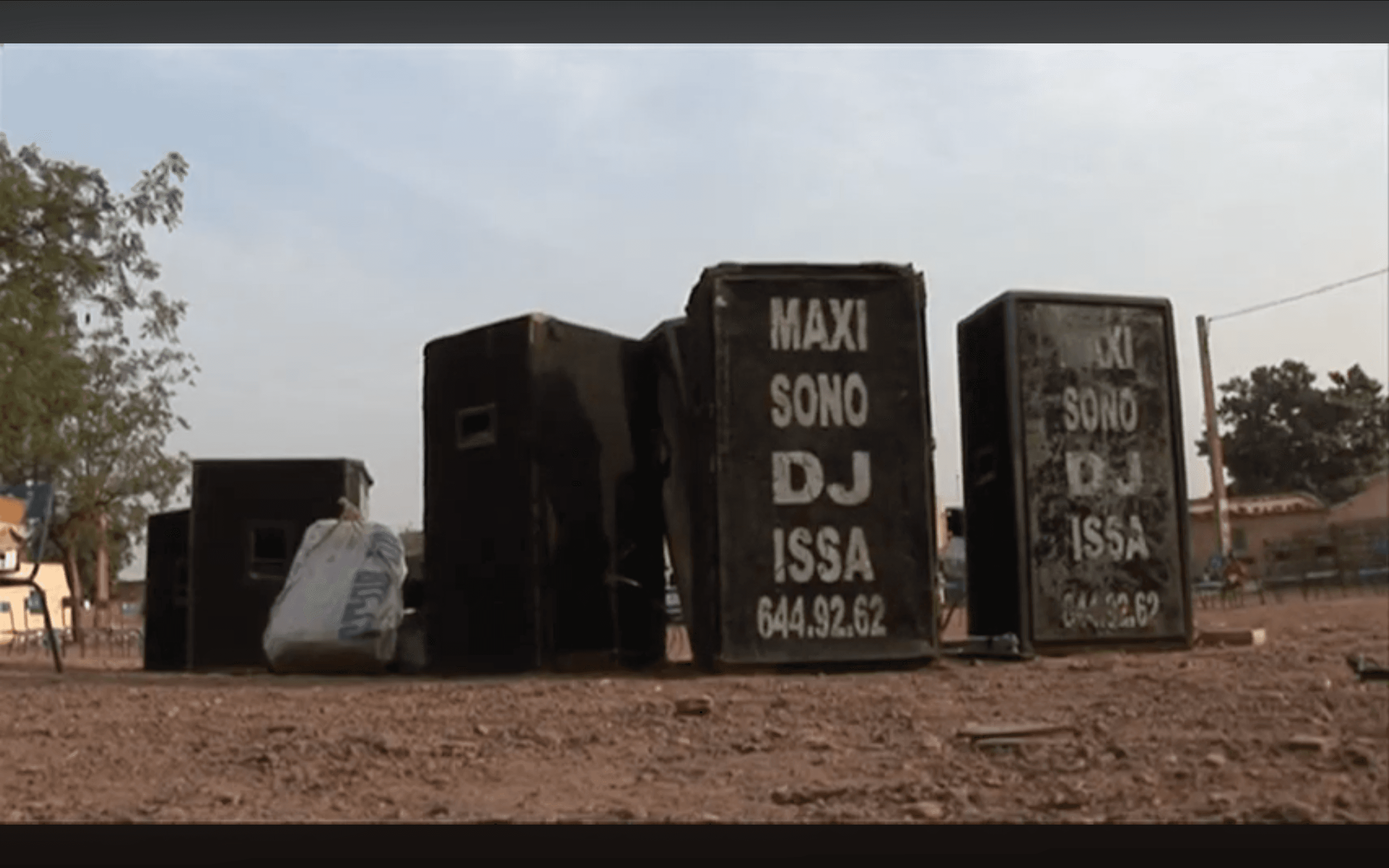
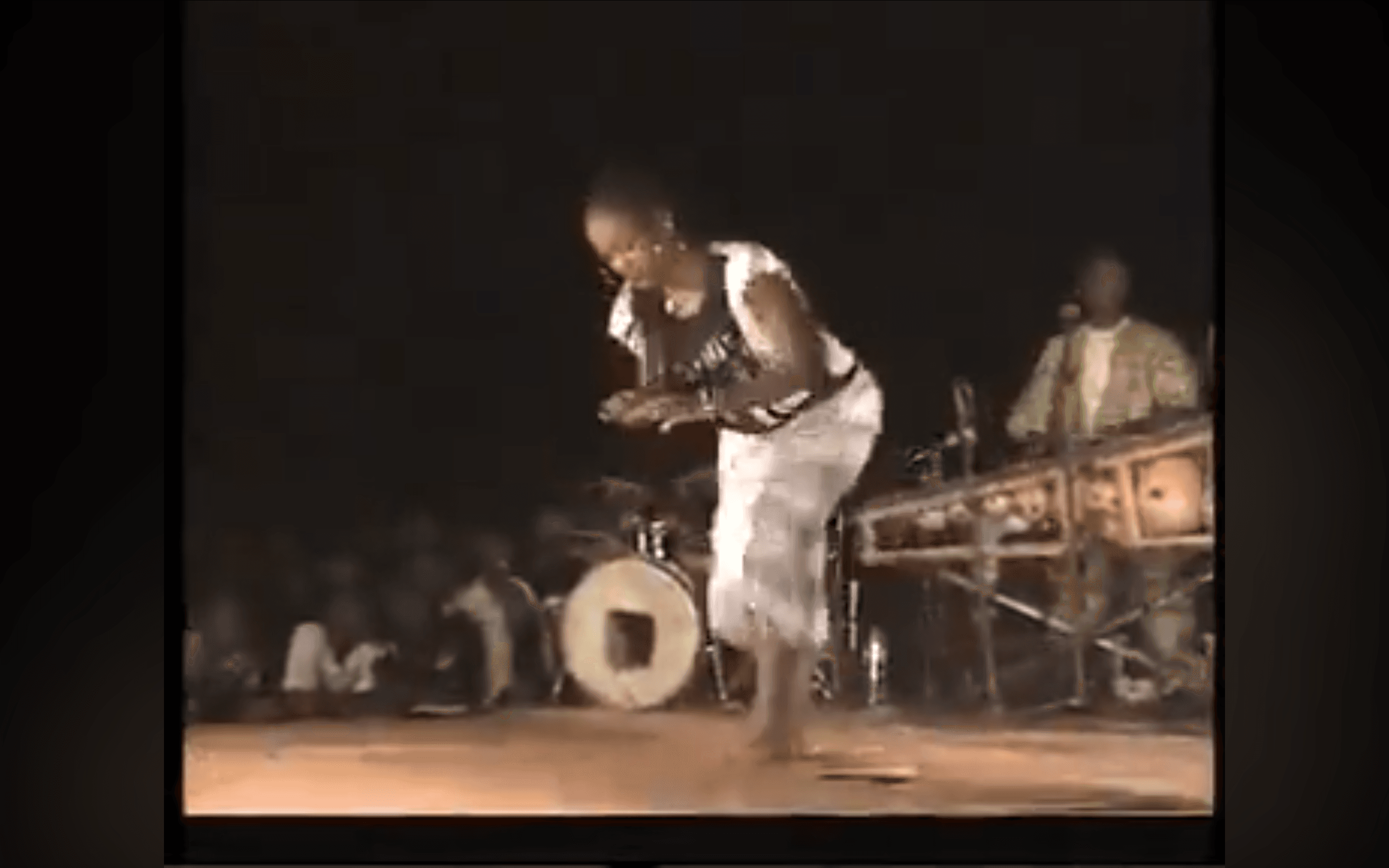
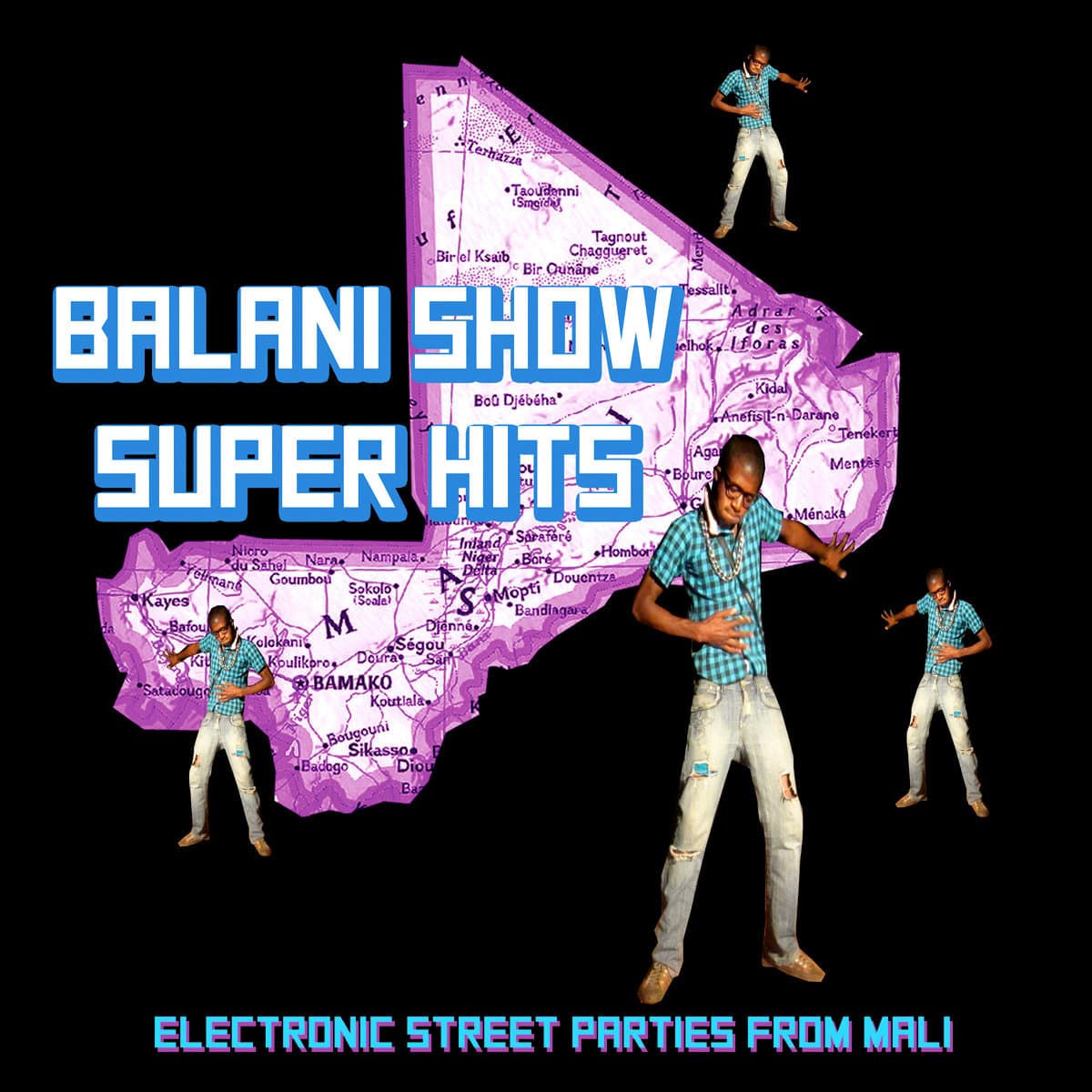
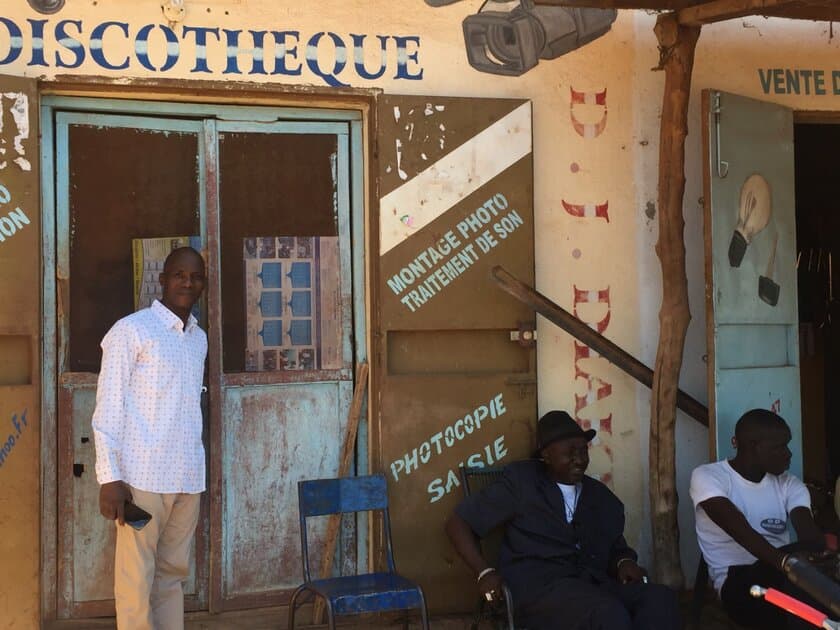
Balani Show began in the late 90s, as DJs with sound systems began to animate social ceremonies. The reason was economic – DJs were cheaper then a Balafon group. While this probably occurred simultaneously throughout Mali, the DJ credited as the originator is Seydou Bagayoko. DJ Diaki and DJ Sandji became his apprentices in the late 90s and early 2000s. Balani Show thrived in the mid-2000s with DJ Senateur performing an official version on Malian television. But in recent years, it has returned to its street culture roots, played in neighborhoods in informal block parties. There is the occasional moral panic, raised by religious leaders, at the site of young people dancing provocatively at night. Occasionally a move will be made to ban Balani Shows, but the legality of the bans are dubious. What the religious opposition has succeeded is in contributing to a general decline of Balani Shows in the capital. DJ Diaki now lives 20km from the Bamako, where Balani Shows are now more common. The village Balani Shows have a completely different element from Bamako – with rapid fire tempos and tranced out loops that extend into mind melting repetition. “It’s much faster in the countryside,” he says. “The people in the village want the music fast. If someone goes to my parties, it’s impossible they dance the whole time.” His video channel illustrates this point. While it may have been the city where Balani Show was born, its back in rural Mali where it has taken on a new form, and where the highest tempo Balani Shows are thriving.