Singeli
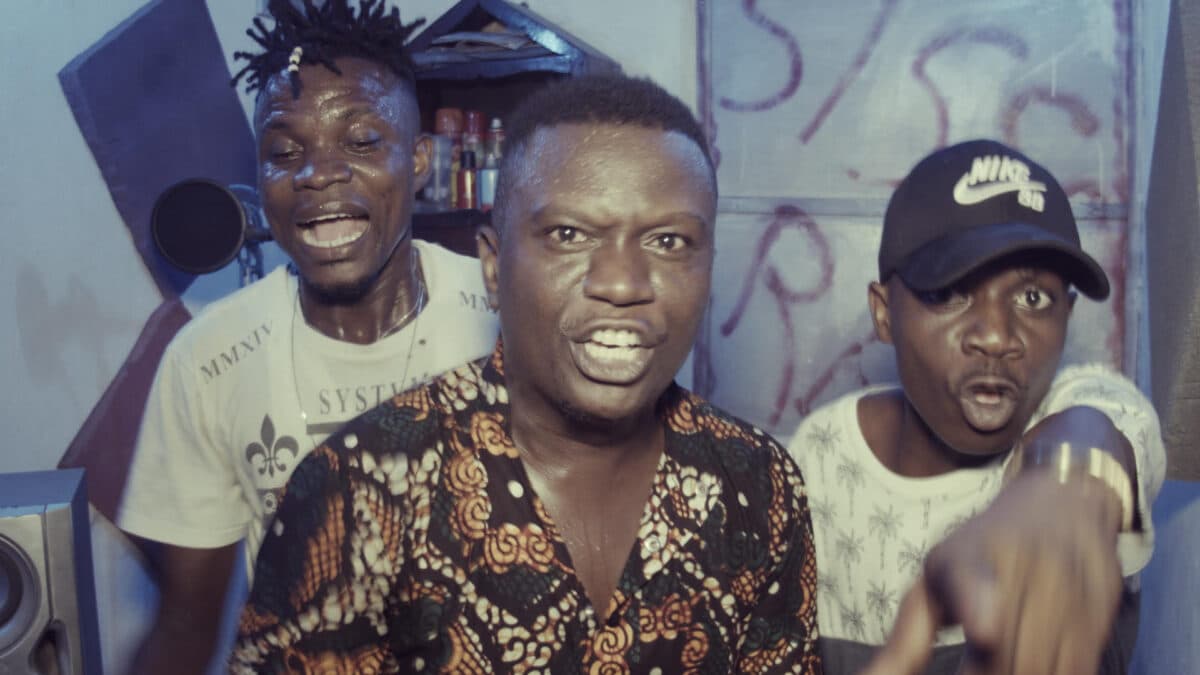
Singeli is one of the most powerful musical movements to have emerged in East Africa in recent years. Born over ten years ago in Dar es Salaam, a sprawling capital city at the crossroads of Arab, Indian, and African histories and traditions, singeli stands at the confluence of cultures and generations. Like South African zulu house or Brazilian baile funk, singeli was born out of the absorption and subsequent transformation—even deconstruction—of vernacular music using cheap computer equipment. Between the shores of South African kwaito and Tanzanian hip-hop, singeli borrows from taarab—the traditional Tanzanian music of Zanzibar—as well as the highly electronic mchiriku and the ritual dance mdundiko. Speed it up, add some glitch effects, throw in an ultra-epic flow in Swahili, and you've got singeli. The genre first took hold in block parties in working-class neighborhoods on the outskirts of Dar Es Salaam, and in kigodoro, marathon parties named after the foam mattresses on which dancers collapsed from exhaustion. At weddings, too, singeli and its deluge of beats and machine-gun delivery have replaced traditional orchestras