
 Live Set


A landmark gathering of 18
visionary collectives ahead of the
Nyege Nyege 10-year anniversary festival
Nyege Nyege, in partnership with Creation Africa, proudly organizes the inaugural African Electronic Music Conference (AEMC) between 19–20 November 2025 as a powerful prelude to the 10th edition of its festival.
For the first time, 18 electronic music collectives from across the African continent and beyond convene to exchange ideas, build networks, and map the future of African electronic music as both a cultural force and an economic engine.
A Pan-African Assembly of Pioneers
For its 1st edition, AEMC brings together cutting-edge collectives shaping the nightlife, culture, and sounds of many exciting electronic scenes from the continent and its diaspora. A dynamic cross-section gathering featuring:
Meet the Collectives














About the conference
Over two days of panels, workshops, showcases, and collaborative labs, the AEMC explores:
- Strengthening regional touring networks
- Building sustainable creative economies
- The evolving aesthetics of African electronic music
- Exchange between diasporic and local scenes
- Collective strategies for artist development, grant access, and resource sharing
- The role of fashion, visual arts, and digital culture in the growth of electronic communities
A Strategic Moment for African Electronic Music
African electronic music is experiencing unprecedented visibility on the world stage. From global collaborations to diasporic reinventions and explosive local scenes—from Kampala to Lagos to Abidjan to Johannesburg—African collectives are redefining global club culture.
AEMC positions Jinja as a continental hub for these conversations, ensuring that African creators, organizers, and cultural workers benefit from this momentum and direct its future.
Aligned With Nyege Nyege's 10-Year Anniversary
The conference sets the stage for the 2025 Nyege Nyege Festival (Nov 20–23) at Kalagala Falls, marking a decade of ground-breaking cultural innovation.
"Nyege Nyege has always been about celebrating African creativity and building platforms that empower communities," says the festival team, and "the AEMC is a long-overdue space for African electronic movements to learn from each other, build infrastructure, and shape the next decade together."
"In a moment when electronic music collectives are shaping the emergence of vibrant local scenes in Africa, we believe that cross-continental and diasporic collaboration will be central to building the next chapter of African electronic music culture and economy. For years, Nyege Nyege has been at the forefront of showcasing these scenes. There is no better partner to launch the inaugural AEMC." says the Regional Music Attachée in Africa for the French Foreign Affairs Ministry.
A Call to Industry, Media & Cultural Institutions
AEMC welcomes participation from festival organizers, cultural institutions, media, researchers, and policymakers interested in the future of African sound, nightlife economies, and cross-continental culture-making.
Discover Latest Music
Releases, playlists and more
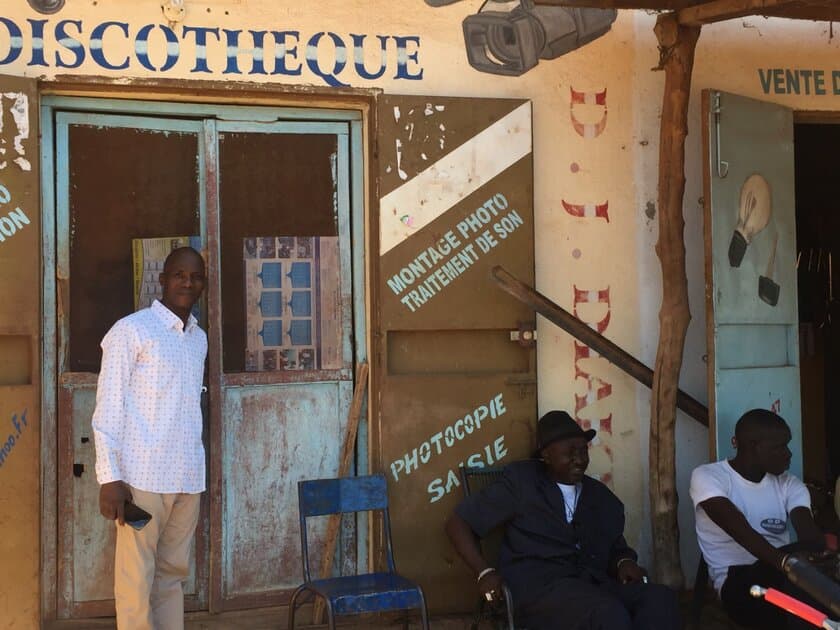
Live SetMixÉmission de DJ Diaki Mercredi 05 Septembre 2018
 Live Set
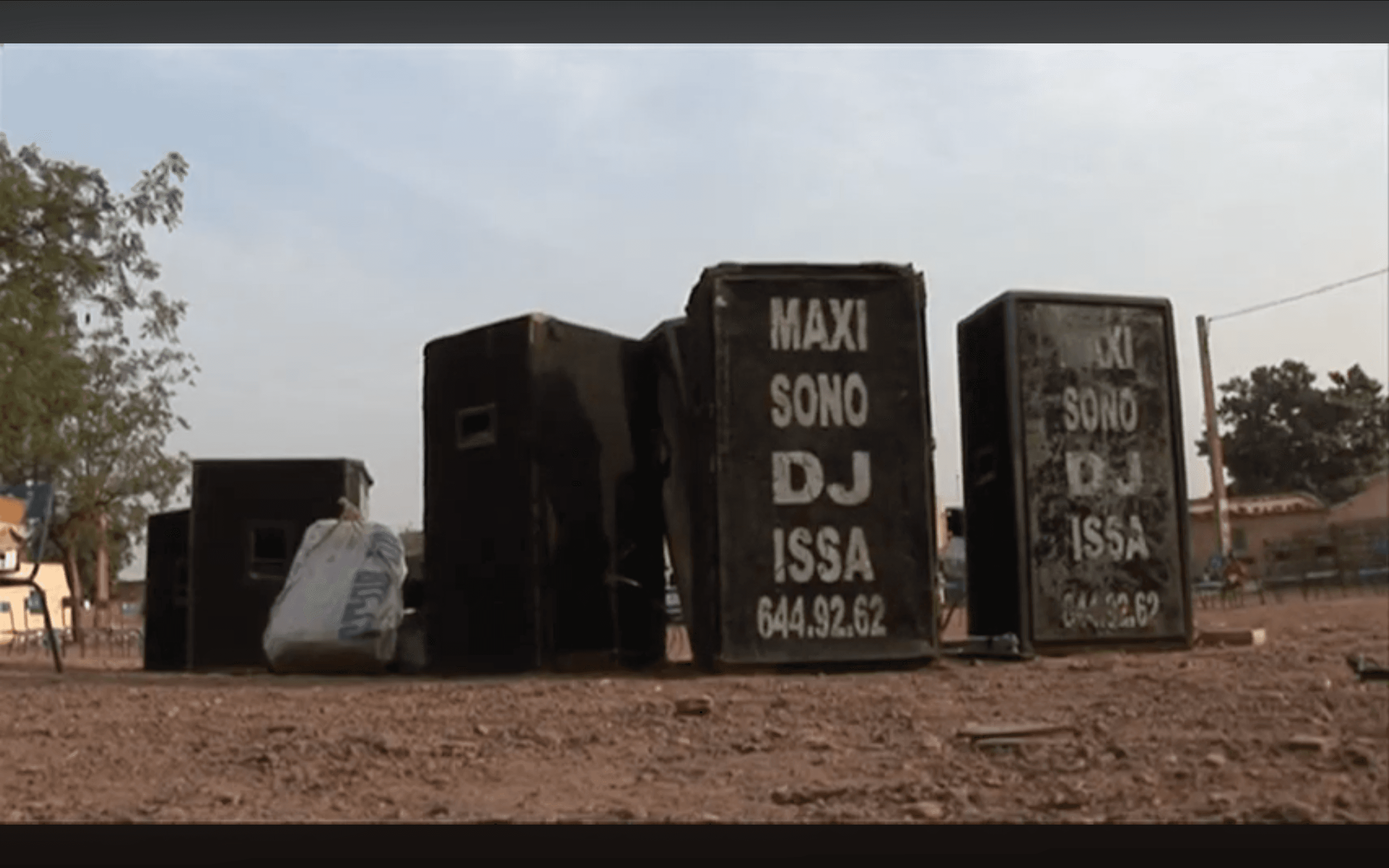
Balani Show
 Film
Film"Balani Show"
Live SetDJ SANDJI
Live SetLa fête au village
 Album
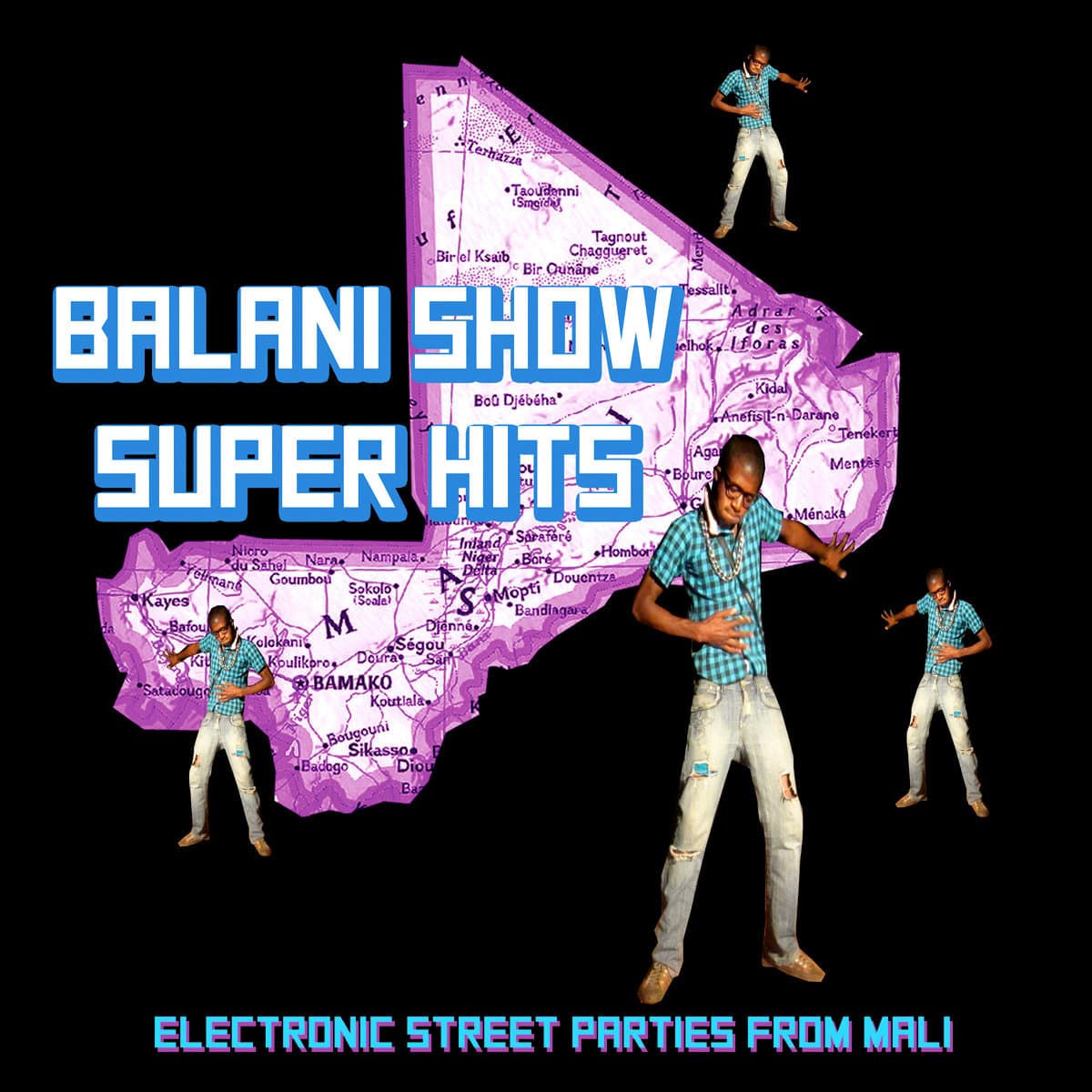
AlbumBalani Show Super Hits: Electronic Street Parties from Mali
 Film
FilmSingeli Movement: Greed for Speed Trailer (Documentary) | Qwest TV
 Music Video
Diamond Platnumz - Nitafanyaje (Official Music Video)
 Album
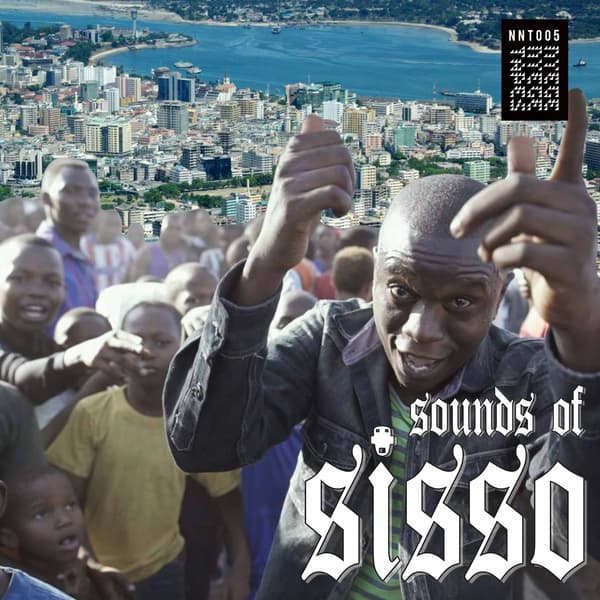
AlbumSounds of Sisso
 Live Set
DJ Travella | Boiler Room Dar Es Salaam: Singeli Vibes
Upcoming Events
July
June
Latest Opportunities
Grants, Commissions, Touring & More
Featured
grant
Open call: British Council Cultural Protection Fund
British Council
Organisations working to safeguard cultural heritage threatened by conflict and climate change are invited to apply for funding through the Cultural Protection Fund (CPF), a programme managed by the British Council in partnership with the UK Department for Culture, Media and Sport (DCMS). Established in 2016, the CPF supports projects aimed at protecting cultural heritage at risk while contributing to social stability and economic development. Since its launch, the fund has awarded more than £57 million to 178 projects across 20 countries. The latest funding round is now open for Expressions of Interest (EOIs), with grants of up to £500,000 available for eligible projects. Only shortlisted organisations will be invited to submit a full application. Key dates Applications open: 23 June 2026 Expression of Interest deadline: 20 July 2026, 23:59 BST Online information session: 1 July 2026, 10:00–11:00 BST Full application deadline: 28 August 2026, 23:59 BST Project start date: December 2026 Participating countries Projects must focus on protecting cultural heritage at risk in one or more of the following countries: Bangladesh, Egypt, Ethiopia, Iraq, Jordan, Kenya, Lebanon, Libya, Nepal, Pakistan, Palestine, Syria, Sudan, Tanzania, Tunisia, Uganda and Yemen. Funding and eligibility Organisations may apply for grants of up to £500 000 ($567 000). The CPF expects to award approximately: Seven grants valued between £100 000 and £500 000 Twenty grants valued below £100 000 Applications must be submitted by a single lead organisation, which will assume legal and financial responsibility for the project if funding is awarded. Eligible applicants include legally registered public and private organisations. Sole traders are not eligible. Applicants must provide evidence of legal registration and supporting documentation in English. Organisations may be based anywhere in the world; however, projects must include partners registered in the relevant CPF target country if the lead applicant is based elsewhere. Applicants must also demonstrate local demand and support for proposed activities. The CPF encourages partnerships between organisations, with formal agreements in place between project partners. Funding priorities The programme supports projects that protect cultural heritage at risk from: Conflict, including the deliberate destruction of cultural sites, traditions and identities. Climate change, including damage caused by extreme weather, environmental degradation and displacement of communities. All projects must include measures to protect living heritage, such as traditions, skills, languages, rituals and cultural practices. Strategic objectives Funded projects are expected to contribute to the following outcomes: Heritage: Cultural heritage is in better condition, better protected and better understood. Society: Communities become stronger, more inclusive and more resilient. Economy: Increased opportunities and benefits for people and places. Information session The CPF will host an online information session on 1 July 2026 to provide guidance on the application process and answer questions from prospective applicants. A recording will be made available on the CPF website for those unable to attend. Application process Expressions of Interest and full applications must be submitted through the Good Grants online portal(link is external) before 28 August 2026. Applicants are advised to: Use an up-to-date web browser. Save progress regularly while completing the application. Keep an offline copy of their application as a backup. Detailed application guidance and frequently asked questions are available through the Cultural Protection Fund application resources.
Deadline 28 Aug 2026